Skip to content

From hemp fields
and bio-based resin precursors to fully
bio-based composites and beyond!

In recent years, plant fibres have gained renewed interest due to their environmental benefits and potential for various applications. These fibres offer advantages in ecology, economy, and technical properties. Beyond traditional uses like textiles and paper, research has opened new opportunities in engineering. Europe has seen a significant increase in plant fibre usage, and hemp is a promising natural fibre for high-performance composites. Thanks to outstanding research efforts, hemp fibre has become amongst others, an attractive material for several applications.

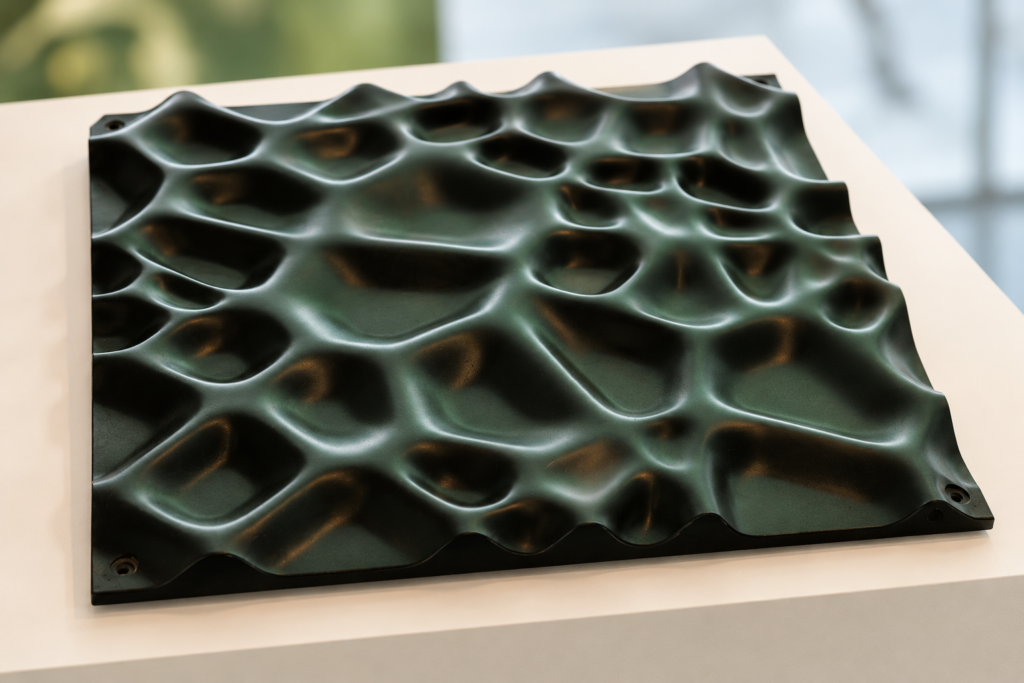
SSUCHY-Next will lead to the extension of the range of applications to sectors such as: wind energy and building applications. To do so, the project will go beyond its predecessor, SSUCHY, which developed the hemp fibre supply chain and bio-based epoxy resin. The consortium will scale up hemp fibre production and develop new bio-based resins (bio-based acrylic polymer Elium® with very high bio-content, fully bio-based benzoxazine, and fully bio-based BG-epoxy) for sustainable composite materials. These bio-based composites will serve as basis for demonstrators to be developed at TRL7 in the framework of the project including a 12.6 m wind turbine blade, bulk mould compounded products like façade panels, wood-based construction materials.

Key figures

Key figures

LATEST NEWS

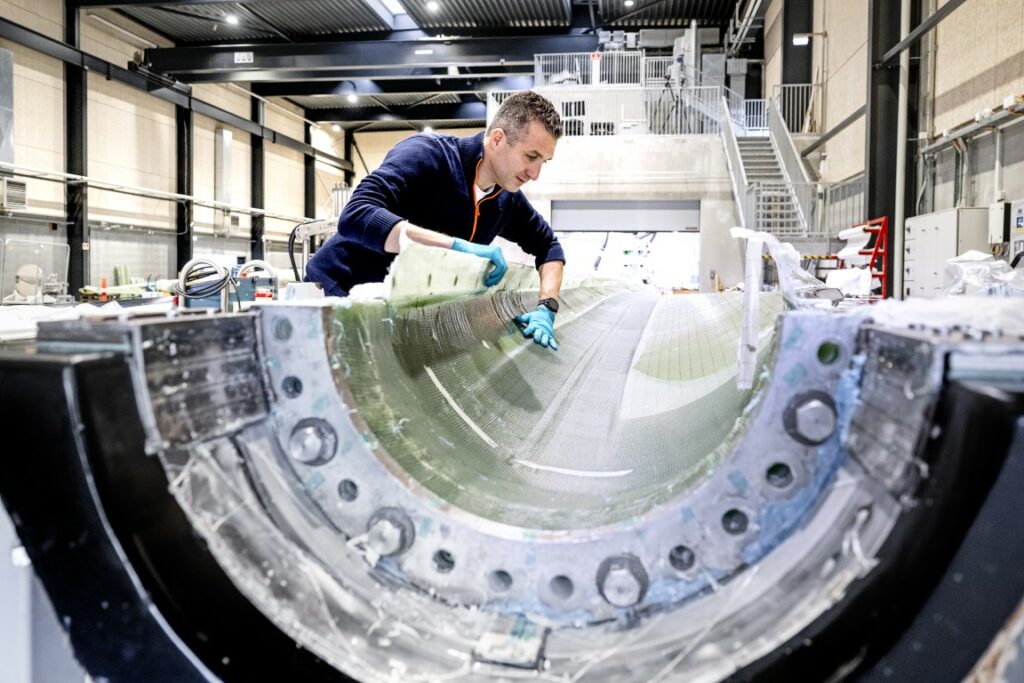
Why do wind turbines need new materials?

As wind energy expands across Europe, researchers are exploring how new materials could make wind turbine blades more sustainable, circular and resilient. From natural fibres to innovative manufacturing processes, the challenge is to reduce their environmental impact while maintaining the mechanical performance required for demanding structural applications.   Why look
Read More

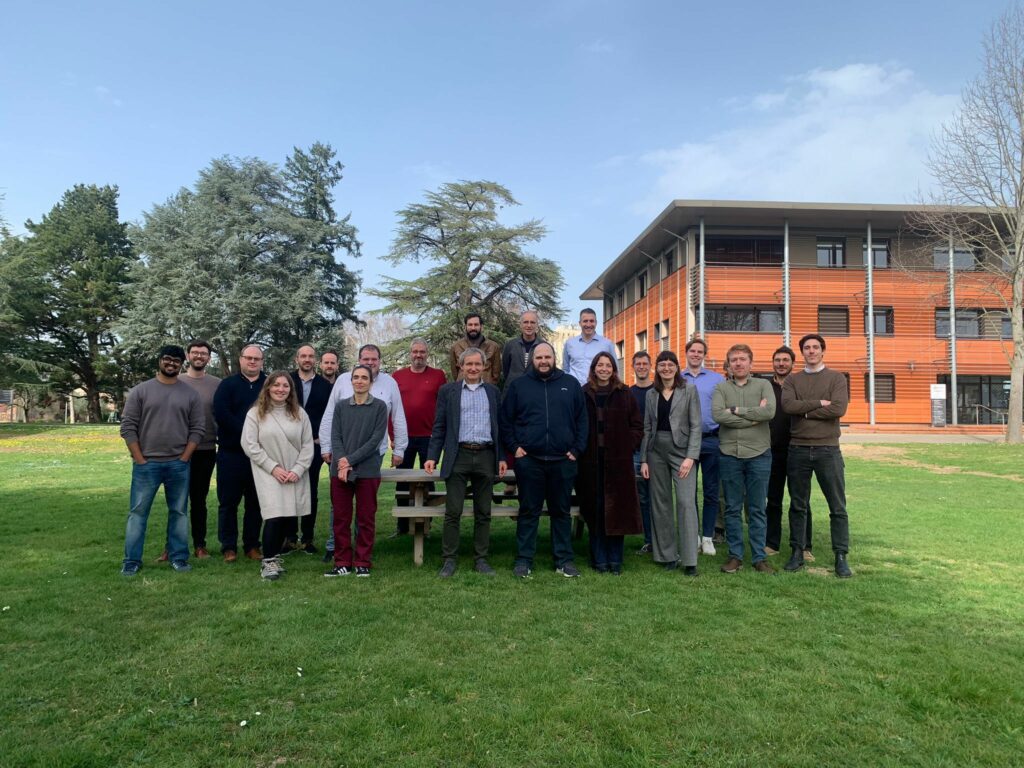
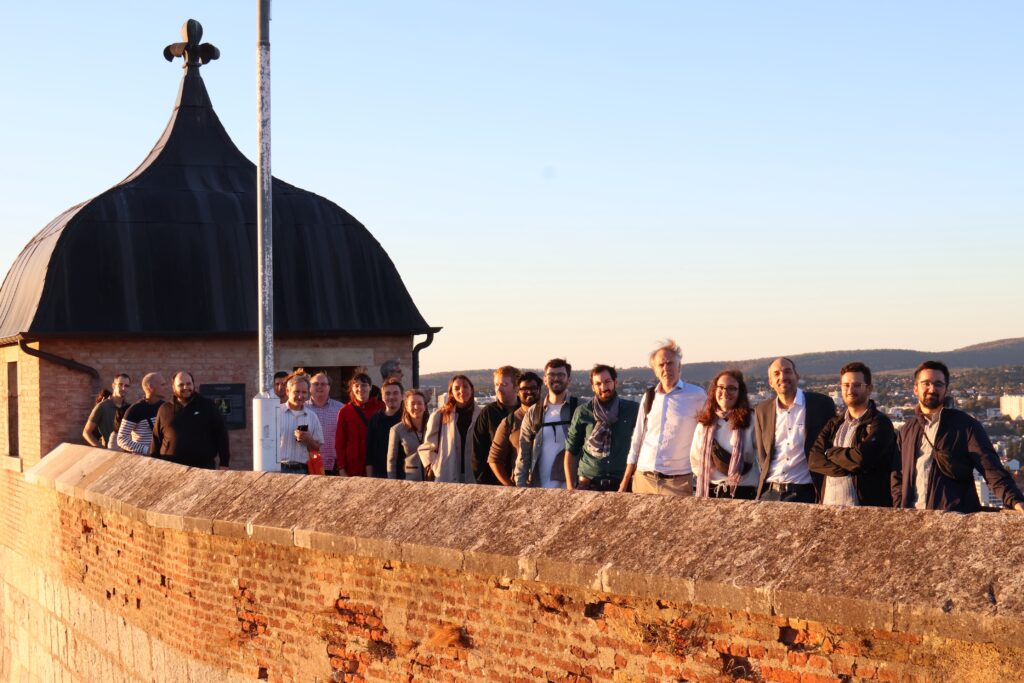
SSUCHY-Next 5th Consortium Meeting: Two days of progress and collaboration in Besançon

SSUCHY-Next partners gathered in Besançon, France, on 22 and 23 September 2026 for the project’s 5th Consortium Meeting, hosted by Université Marie et Louis Pasteur (UMLP) and FEMTO-ST. Over two days, partners reviewed the latest technical progress across the project, visited local research facilities and worked together on the next
Read More

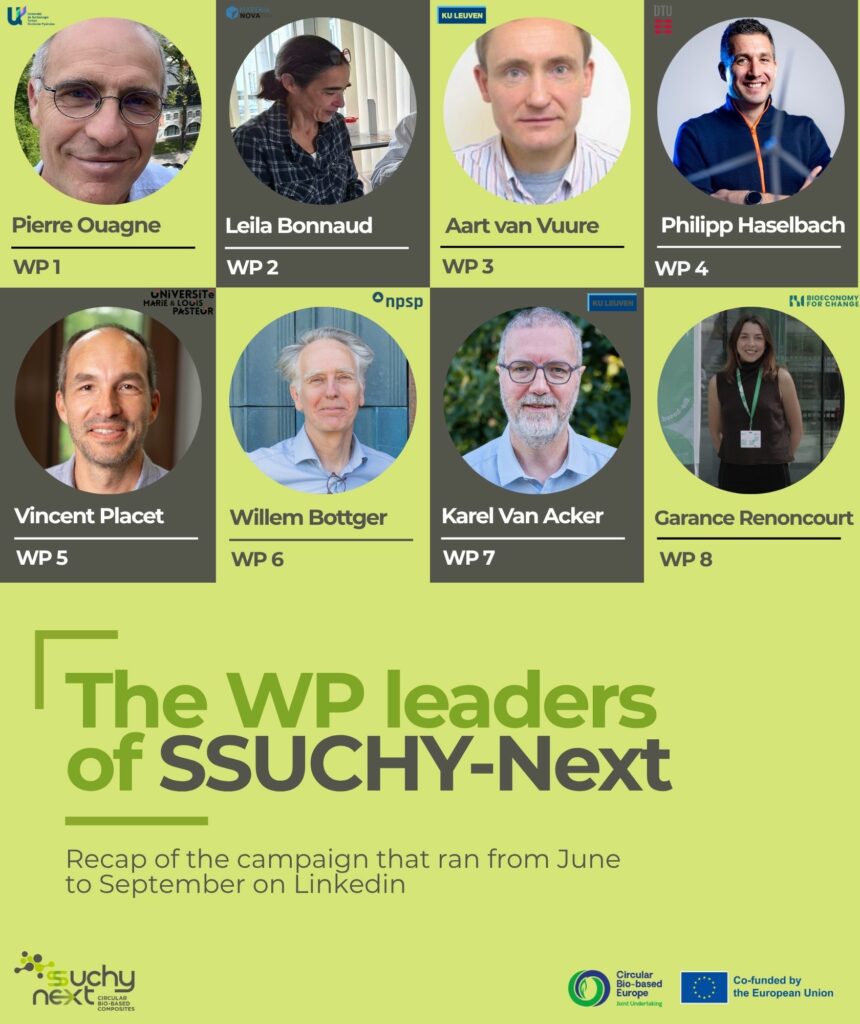
Meet the people behind SSUCHY-Next: our Work Package Leader campaign

Who is driving SSUCHY-Next forward? Between late June and early September 2026, our Work Package Leader campaign introduced the people coordinating the project’s key activities, from hemp fibres and bio-based resins to large-scale demonstrators, sustainability, communication and exploitation. Through a series of short interviews, the eight Work Package Leaders shared
Read More

A look back at SSUCHY-Next’s key moments in 2026

From Paris to Oslo and across the Atlantic to Indianapolis, SSUCHY-Next was on the move in 2026. Through exhibitions, scientific conferences and consortium meetings across Europe and internationally, project partners shared their latest developments in high-performance, bio-based composites. These events brought the project into contact with industrial stakeholders, researchers and
Read More

Inside a composite: How resin turns fibres into high-performance materials

Composite materials are all around us, from cars and building panels to boats and sports equipment. Their principle is simple: combining materials with different properties can create a new material that performs better than either component alone.   A fibre-reinforced composite contains two main elements: reinforcing fibres and a polymer
Read More

From fields to composites: The growing potential of hemp fibres

  From agriculture to advanced materials, hemp fibres are becoming part of Europe’s transition toward more circular industries.   As climate challenges intensify and industries search for lower-impact materials, the qualities of hemp fibre are gaining renewed attention across Europe. In 2024, hemp cultivation already covered more than 51,000 hectares
Read More

5 Academic partners: KU Leuven (Belgium), TU Delft (Netherlands), Université de Bourgogne Franche-Comté UBFC (with affiliated UFC and ENSMM) (France), Danmarks Tekniske Universitet DTU (Denmark), ECOLE NATIONALE D’INGENIEURS DE TARBES (ENIT) (France)

2 Research centres: CETIM (France), MATERIA NOVA (Belgium)

6 SMEs: ECO-TECHNILIN (France), SAS WOODOO (France), NPSP BV (Netherlands),
Olsen Wings A/S (Denmark), BITREZ (United Kingdom), TERRE DE LIN (France)

2 Large companies: ARKEMA (France), LINIFICIO (Italy)

1 Cluster: BIOECONOMY FOR CHANGE (France)

all partners

This project has received funding from the Circular Bio-based Europe Joint Undertaking (CBE JU) under grant agreement No 101157517.
The JU receives support from the European Union Horizon Europe research and innovation programme and the Bio Based Industries Consortium.